Calming Sensory Overload in Kids: A Caregiver Plan
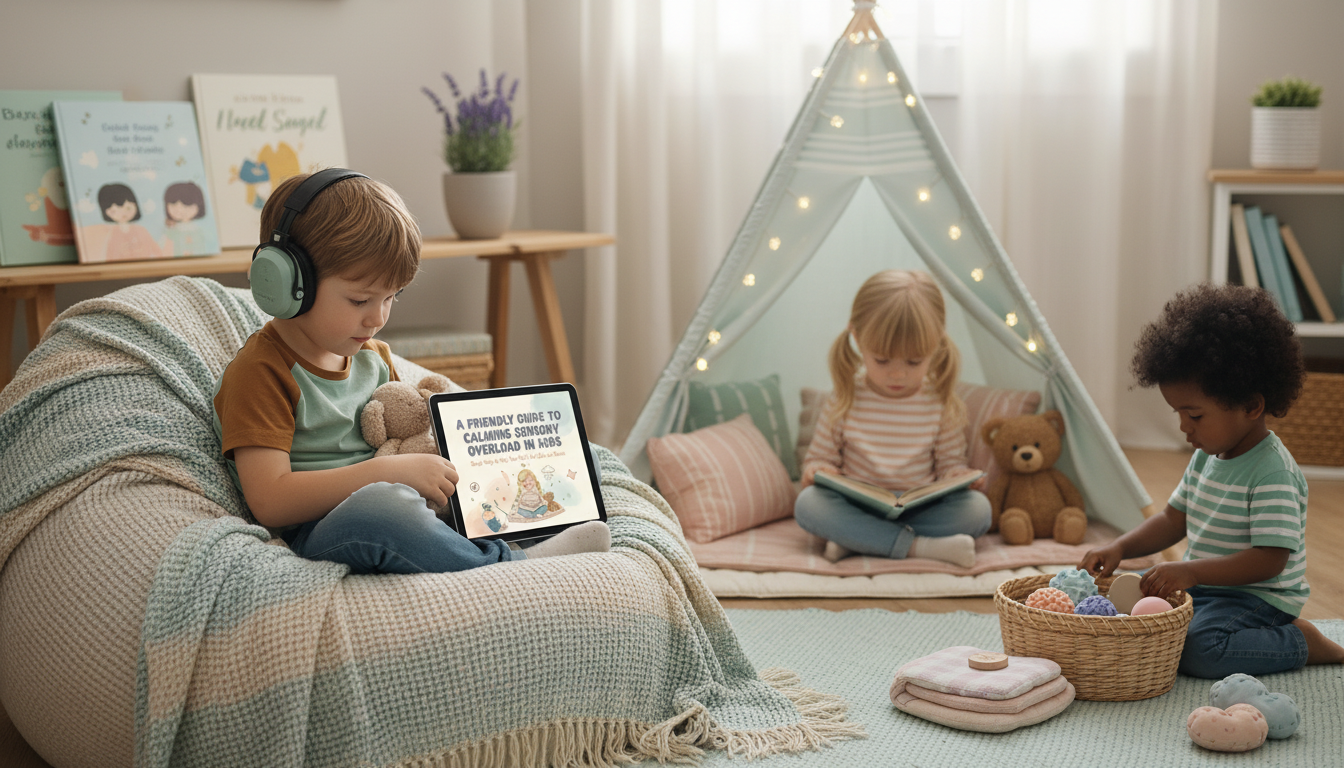
Quiet the Storm: A Friendly Guide to Calming Sensory Overload in Kids
Sensory overload can look like tears, shouting, shutting down, or suddenly refusing “easy” tasks. It isn’t misbehavior—it’s a nervous system asking for relief. With a few calm, repeatable steps, caregivers can spot early signs sooner, help a child feel safe in the moment, and build routines that reduce overwhelm over time.
What sensory overload can look like (and why it happens)
When kids get overloaded, their bodies often “speak” before their words do. Common signs include covering ears or eyes, pacing, clenched fists, irritability, meltdowns, sudden “no,” hiding, or going quiet and distant. Some kids look defiant; others look absent. Both can be the same stress response.
Typical triggers include loud noise, bright lights, crowded spaces, scratchy clothing, strong smells, hunger, fatigue, transitions, or unexpected touch. Overload often builds: small stressors stack until coping skills run out. It’s also common for a child to be sensory-seeking in one area (movement) and sensory-avoidant in another (sound).
Quick snapshot: triggers and supportive responses
| Trigger | Early signs | Helpful response |
|---|---|---|
| Noise (cafeteria, party, traffic) | hands over ears, whining, agitation | move to a quieter spot, offer headphones/ear defenders, slow breathing |
| Bright light / visual clutter | squinting, rubbing eyes, zoning out | dim lights, sunglasses/hat, reduce visual input |
| Touch (tags, seams, hugs) | pulling at clothes, flinching, pushing away | offer clothing swap, ask before touch, give space |
| Transitions / surprises | argumentative, frozen, tears | use countdowns, visual schedule, one-step directions |
| Hunger / fatigue | low frustration tolerance, impulsive behavior | snack + water, quiet rest, reduce demands |
A calm-first plan for the moment overload hits
When the storm arrives, the fastest path back to safety is usually fewer words, fewer demands, and smaller input.
- Reduce demands: pause questions, stop correcting, and lower the number of instructions. “Do this now” can feel like more noise.
- Make the environment smaller: step out of crowds, turn down volume, or gently position so the child faces away from busy visuals.
- Use short, steady language: “You’re safe. Breathe with me. We’ll take a break.” Keep your tone neutral and your pace slow.
- Offer two simple choices: “Quiet corner or hallway?” “Headphones or hands over ears?” Choices restore a sense of control without overwhelming.
- Co-regulate before problem-solving: the goal is recovery, not explanations. Save the “what happened?” for later.
- After the peak: offer water, a snack, and a predictable next step (car, couch, book, bath). Predictability is calming.
Tools that help kids reset (choose what fits the child)
Different bodies calm in different ways. Consider these options as a menu rather than a checklist.
- Breathing and rhythm: box breathing, counting steps, slow humming, or tapping a steady beat on a knee.
- Deep pressure and proprioception: bear hugs (with consent), wall pushes, squeezing a pillow, or an age-appropriate weighted lap pad.
- Movement breaks: jumping, animal walks, swinging, climbing stairs, pushing a loaded laundry basket, or carrying a stack of books.
- Sound and light supports: noise-reducing headphones, soft music, dim lighting, sunglasses, or a cap.
- Comfort items: chewable jewelry, fidgets, a small plush, or a “calm kit” in a pouch that travels easily.
For a deeper, quick-reference set of scripts and reset ideas, Quiet the Storm: A Friendly Guide to Calming Sensory Overload in Kids | Ebook with Tips for Calming Sensory Overload in Kids is designed to be easy to skim during real life—home, school mornings, errands, and on-the-go moments.
Build a “sensory weather report” routine
A routine check-in can prevent overload by catching the early “drizzle” before it becomes thunder.
Kids who feel things intensely—sounds, mood shifts, social energy—often benefit from supportive language that honors sensitivity while building resilience. Tender Minds, Strong Hearts: Supporting Your Highly Sensitive Child | Best Way to Support Highly Sensitive Child | Parenting Guide, eBook, Digital Download pairs well with sensory routines by focusing on connection, emotional regulation, and steady boundaries.
Prevent overload in common high-stress settings
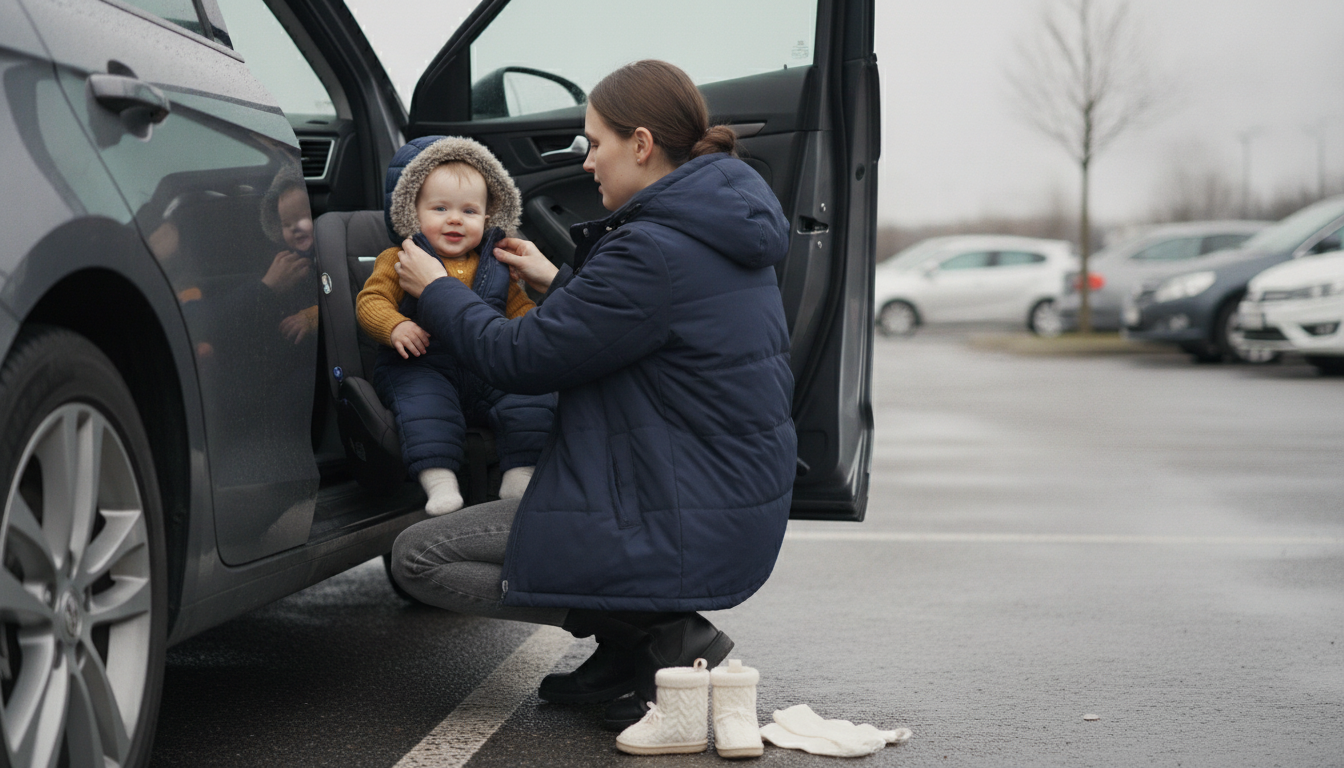
Clothing comfort can make or break a day for kids who are sensitive to scratchiness, seams, or temperature changes. For chilly seasons, a cozy layer that feels comfortable can reduce one common “stacking” stressor. Consider an option like Heavyweight Patchwork Jacket – Sweater for Boys as part of a simple, predictable getting-dressed routine (especially when mornings already run hot).
Gentle boundaries that still feel safe
When extra support may help
For additional background and family-friendly resources, see HealthyChildren.org (American Academy of Pediatrics) – Sensory Processing Disorder and the CDC – Autism Spectrum Disorder resource hub.
A practical guide to keep on hand
Quiet the Storm: A Friendly Guide to Calming Sensory Overload in Kids is a quick-reference ebook designed for busy caregivers. It includes approachable explanations, simple scripts you can use in the moment, and kid-friendly strategies for home, school, and on-the-go moments—helpful for building a calm kit, setting up routines, and choosing supports that match a child’s unique sensory profile.
FAQ
What should be said to a child during sensory overload?
Keep words short and steady: confirm safety, offer a break, and give one simple choice. Save questions or explanations for after the child’s body has calmed.
How can sensory overload be prevented before a busy outing?
Plan around meals and rest, preview the schedule, and pack a small calm kit. Build in quick breaks and choose quieter times when possible to reduce stacking stressors.
Is sensory overload the same as a tantrum?
A tantrum is often goal-driven; overload is nervous system saturation. The best response is reducing input and helping the child recover first, then teaching skills and expectations later.









Leave a comment