Kawaii Animals Explained: Traits That Make Them Cute
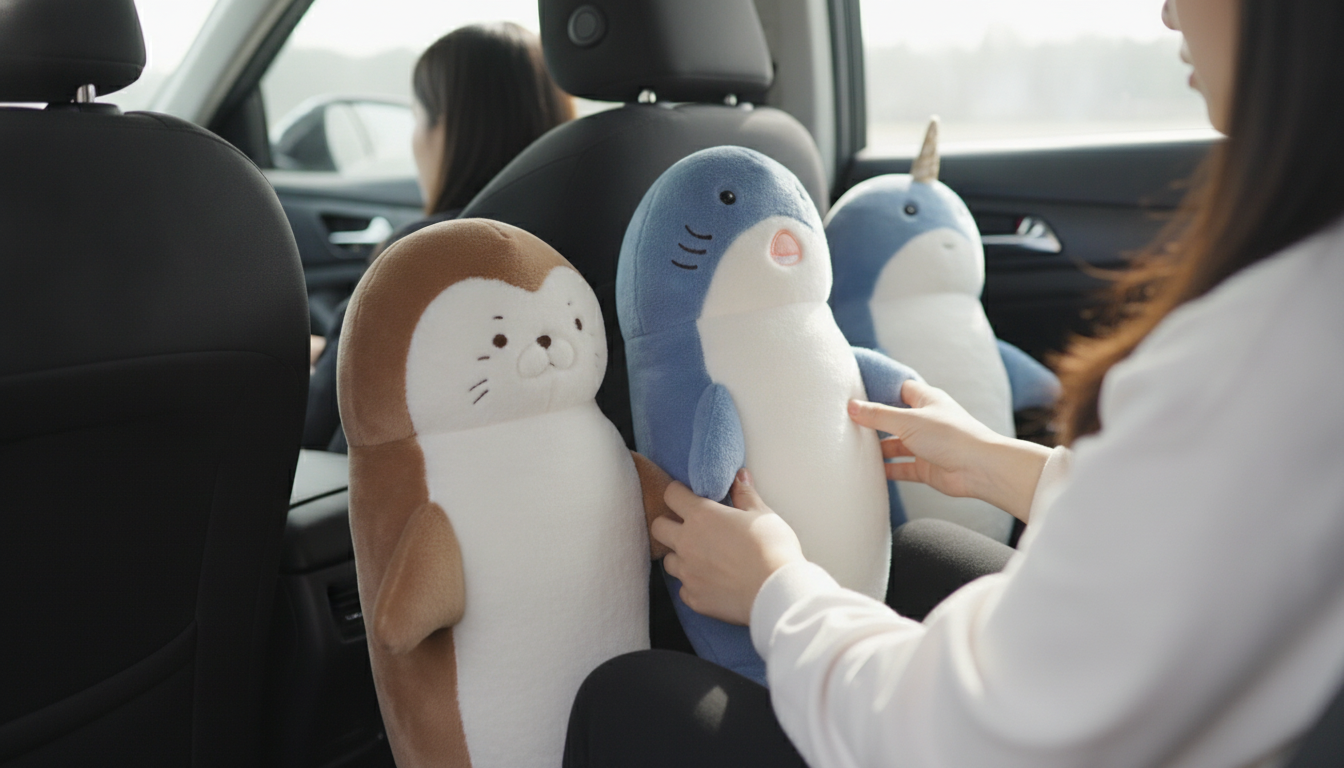
What makes an animal “kawaii”?
“Kawaii” is a Japanese word often translated as “cute,” but it’s more specific than that. An animal reads as kawaii when its features and behavior trigger a gentle, protective “aww” response—softness, smallness, and a friendly, harmless vibe all working together. It’s less about being rare or exotic and more about a particular mix of proportions, expressions, and personality cues.
Answer
Several traits tend to make an animal feel kawaii across cultures:
1) Baby-like proportions
Kawaii animals often resemble infants: a relatively large head, big round eyes, a small nose and mouth, and short limbs. These proportions are common in many young mammals, and they signal “safe” and “needs care,” which is why they instantly feel endearing.
2) Soft textures and rounded shapes
Fluffy fur, plush-looking coats, smooth feathers, and rounded bodies all add to a kawaii impression. Sharp angles, spines, and aggressive silhouettes usually read as “tough” rather than cute—unless softened by other features like big eyes or clumsy movement.
3) Gentle expressions and non-threatening body language
A relaxed face, curious head tilts, slow blinks, and calm posture help. Animals that appear startled, tense, or predatory can still be beautiful, but they’re less likely to register as kawaii unless their overall look remains soft and approachable.
4) Playful, clumsy, or affectionate behavior
Tiny hops, wiggly walks, “zoomies,” grooming, cuddling, and exploratory sniffing are classic kawaii behaviors. Even species that aren’t traditionally cuddly can seem kawaii when they show harmless curiosity and a touch of awkward charm.
5) Styling, context, and human perception
Names, accessories (like a bow or bandana), lighting, and gentle color palettes can amplify kawaii vibes in photos and products. Context matters: the same animal can look cute while napping and less cute while hissing or baring teeth.
For more examples and deeper details, see the full guide here: https://munchkinparadise.shop/what-makes-an-animal-kawaii/.
FAQ
Why do big eyes look cuter to humans?
Large eyes are a baby-like feature that people instinctively associate with youth and vulnerability. That combination tends to trigger caretaking feelings, making the animal seem sweeter and more approachable.









Leave a comment